
 (813) 333-1963
Algae and Dark Streaks in Central Florida: Safe Roof-Cleaning Options for Thonotosassa, FL

Written By: GreenTek Roofing & Solar | 7 Min Read

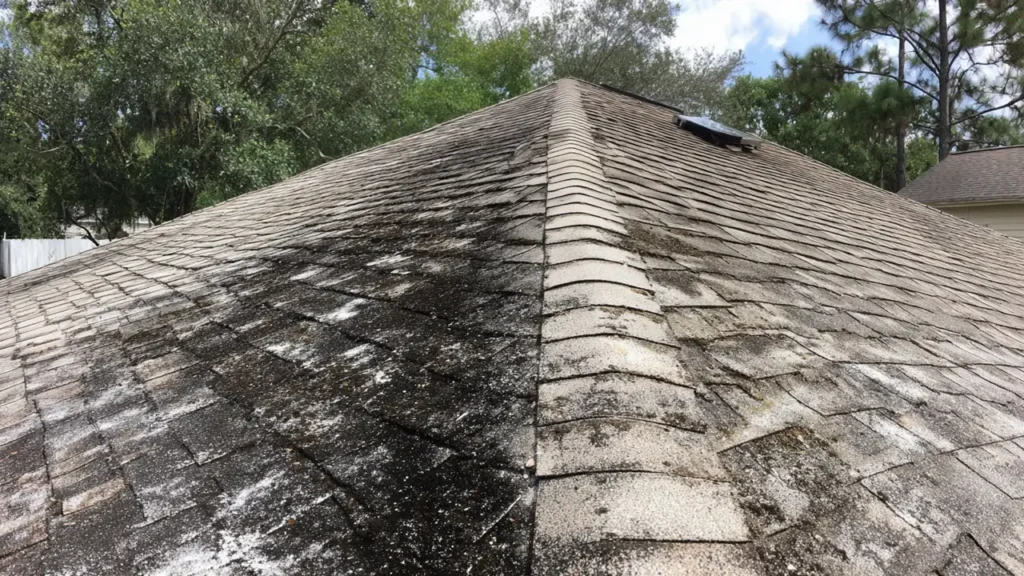
Have you noticed ugly black streaks on your roof? This common issue in Central Florida is more than just a cosmetic problem. The organic growth causing these stains can harm your roofing materials over time. Effective roof cleaning is not just about looks; it is a vital part of home maintenance. At GreenTek Roofing & Solar, we understand the importance of keeping your Thonotosassa roof in top condition.
Understanding Algae and Dark Streaks on Thonotosassa Roofs
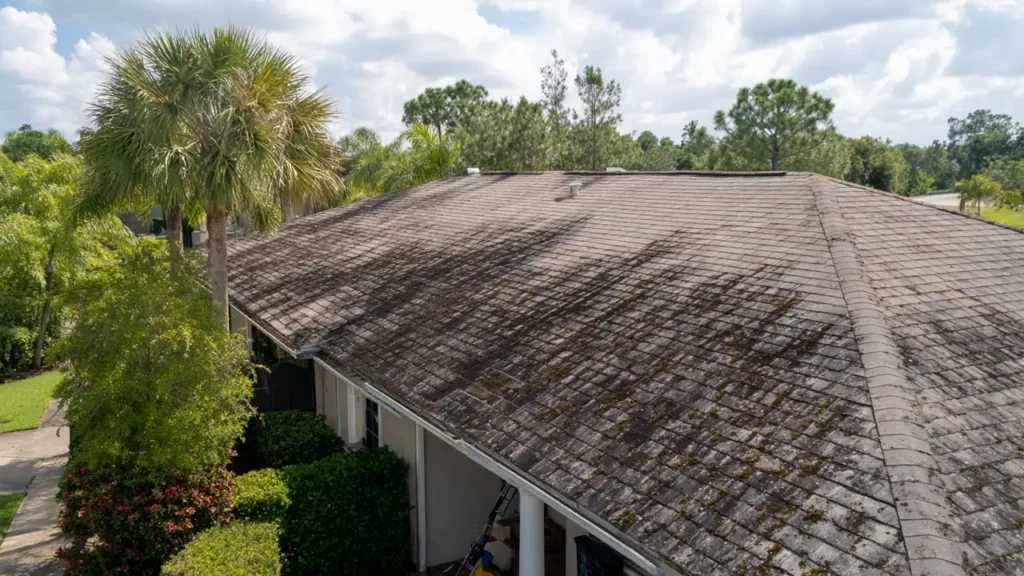
Multiple factors contribute to the appearance of algae and dark streaks on roofs in Thonotosassa. Florida’s humid climate creates an ideal environment for organic growth, particularly the living organism called gloeocapsa magma, which thrives on roofing materials. This biological growth can lead to costly damage, as it not only affects your home’s curb appeal but may also impact the roof’s lifespan. Regular maintenance through professional soft wash roof cleaning is essential for preserving the structural integrity and energy efficiency of your property.
Why Roofs in Central Florida Develop Algae and Black Stains
Algae and black stains on roofs primarily arise due to Florida’s humid climate, which fosters ideal conditions for organic growth like gloeocapsa magma. This living organism thrives on roof materials, particularly asphalt shingles, accumulating moisture and nutrients that promote discoloration. Additionally, poor ventilation and inadequate sunlight exposure further exacerbate this issue, leading to increased heat absorption and faster deterioration. Addressing these factors is crucial for maintaining the structural integrity of roofs and preventing costly damage down the line.
Impact of Algae Growth on Home Value and Roof Longevity
Algae growth does more than make your roof look old and dirty—it can seriously impact your home. Black streaks reduce curb appeal and property value, making your house appear neglected. Algae also causes costly damage by absorbing more heat, which lowers energy efficiency and drives up cooling costs.
Ignoring roof algae can lead to:
- Shortened roof lifespan from trapped moisture
- Increased risk of leaks as shingles deteriorate
- Voided manufacturer warranties
The Importance of Safe Roof Cleaning
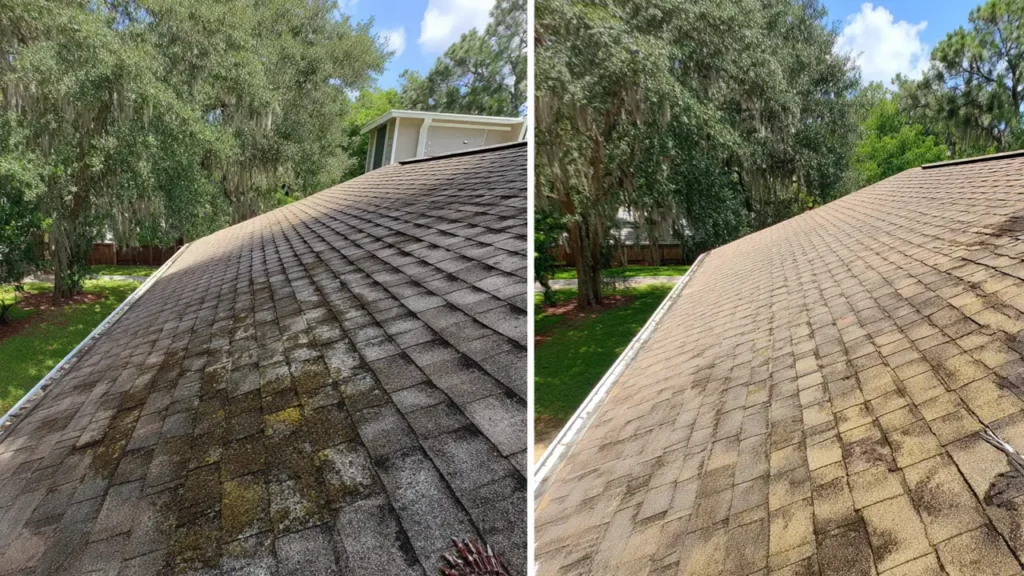
Choosing the right roof cleaning method is crucial to avoid damaging your property. While pressure washing might seem like a quick fix, it can cause irreparable harm to your shingles. A safe approach ensures you get a clean roof without compromising its integrity.
Using the correct techniques and safety gear is essential for a successful cleaning. Methods like soft washing are designed to kill algae without using destructive high pressure. We will examine the best practices for cleaning different roof types and compare popular methods.
Health, Curb Appeal, and Warranty Considerations
A clean roof instantly boosts your home’s curb appeal, making it look well-maintained—especially important in Thonotosassa’s humid climate, which can cause stains. Professional cleaning removes algae and restores your roof’s original color. Roof cleaning also protects your family’s health by eliminating algae, mold, and mildew that can release spores and affect indoor air quality. Additionally, regular cleaning helps maintain your roof’s warranty, as manufacturers may void coverage if damage results from neglect.
- Enhances curb appeal
- Protects your warranty
- Promotes a healthier home
Potential Risks of Delaying Roof Cleaning
Prolonged neglect of roof cleaning can lead to costly damage, significantly affecting both structural integrity and home value. Algae growth, primarily gloeocapsa magma, thrives in Florida’s humid climate, resulting in unsightly dark streaks that can absorb heat and increase energy bills. Furthermore, the organic buildup can compromise roofing materials, shortening the roof’s lifespan and voiding warranties. Regular maintenance through professional roof cleaning not only enhances curb appeal but also prevents more extensive and expensive repairs down the line.
Comparing Roof-Cleaning Methods
When it comes to roof cleaning, not all methods are created equal. The two most common approaches are pressure washing and soft washing. Each cleaning process has a different impact on your roofing materials and the surrounding environment, especially concerning chemical runoff.
Understanding the differences is key to making a safe choice for your Thonotosassa home. One method cleans effectively while protecting your roof, while the other can cause serious damage. Let’s look at which method is best for handling algae and streaks.
Soft Washing vs. Pressure Washing
Soft washing is generally safer for roofs than pressure washing, as it uses lower pressure and specialized cleaning solutions to eliminate algae without damaging roofing materials. Pressure washing can strip away protective granules, leading to long-term damage. Choose soft washing to preserve your roof’s integrity.
Eco-Friendly Techniques for Removing Algae
Utilizing eco-friendly methods for removing algae and dark streaks is essential for preserving both the environment and the integrity of roofing materials. Soft wash roof cleaning techniques focus on low-pressure application using biodegradable cleaning solutions, effectively addressing biological growth without harming surrounding flora. Sodium hypochlorite, when diluted, serves as a powerful agent against algae while minimizing chemical runoff. This approach not only enhances your home’s curb appeal but also contributes to energy efficiency by maintaining clean surfaces that reflect heat, ultimately protecting your roof’s lifespan.
Roof Types and Safe Cleaning Practices
Different roofing materials require different cleaning approaches. Whether you have asphalt shingles, metal roofing, or clay and concrete tile, the material type dictates the safest method. To clean shingle roofs, a gentle touch is non-negotiable to preserve their protective layer.
As a GAF Master Elite Certified Contractor and TAMKO Diamond Pro Certified Contractor, we know how to care for these specific products. We will now discuss the special considerations for each roof type to ensure a safe and effective cleaning without voiding your warranty.
Special Care for Shingle, Tile, and Metal Roofing
Shingle, tile, and metal roofs each require tailored cleaning methods to ensure their longevity and preserve their structural integrity. For asphalt shingles, a professional soft wash roof cleaning is ideal, as it avoids high pressure that could lead to costly damage. Tile roofs benefit from the soft wash method as well, effectively addressing biological growth without compromising material quality. Metal roofing can be cleaned using low-pressure systems to prevent scratching while minimizing chemical runoff, maintaining both aesthetics and energy efficiency.
Maintaining Warranties During Cleaning
As certified contractors for GAF and TAMKO, we know proper roof maintenance is key to keeping your warranty valid. Most manufacturers won’t cover damage from improper cleaning, like pressure washing, which can void your warranty. Protect your investment by hiring professionals who follow manufacturer guidelines. At GreenTek Roofing & Solar, we use the soft wash method approved for all our roof materials.
This safe technique removes algae and meets GAF and TAMKO maintenance requirements. Trust your roof to a GAF 2-Star President’s Club Member—your warranty stays protected with our experts.
In Summary
In summary, keeping your roof in Thonotosassa, FL, free from algae and dark streaks is essential for its appearance and longevity. As a GAF Master Elite Certified Contractor with an A+ BBB rating, GreenTek Roofing & Solar stresses the importance of safe, effective cleaning methods that protect your home’s value. Whether you choose soft washing or eco-friendly options, proper care also helps maintain warranties from brands like GAF and TAMKO. Ready to restore your roof? Contact us today for a quote and discover the best solutions for your property.
Frequently Asked Questions
What does roof algae look like?
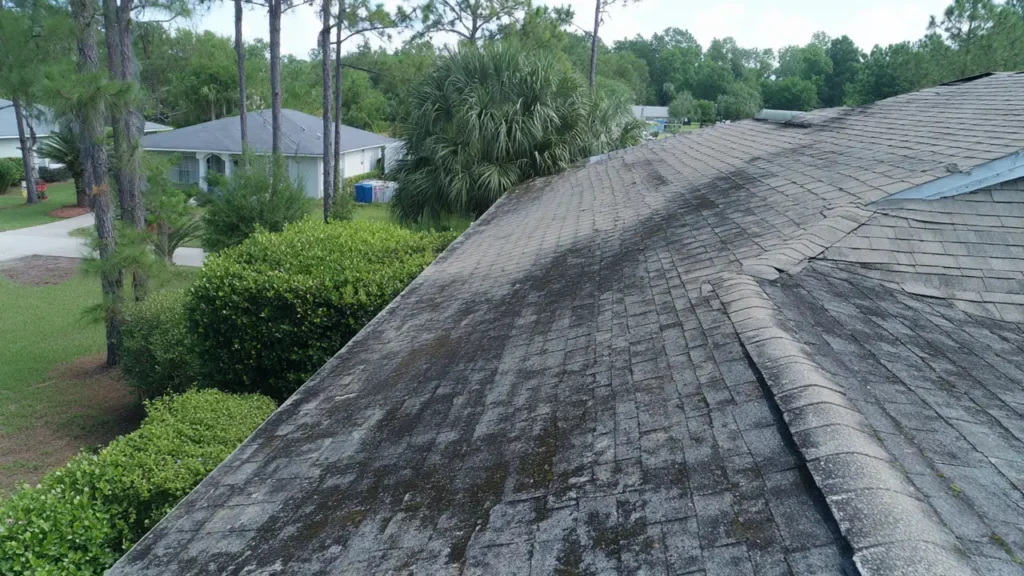
Roof algae, or Gloeocapsa magma, typically appears as dark, unattractive black streaks or stains on your roof. In Florida’s humid climate, this organic growth can also look like green or dark patches, especially in shaded areas that remain damp.
Are black streaks on the roof harmful?
Yes, black streaks are harmful. This algae growth feeds on your shingles, trapping moisture and accelerating deterioration. If left untreated, it can shorten your roof’s lifespan, lead to costly damage, and potentially compromise your home’s structural integrity over time.
Read our blog: Attic Ventilation Mistakes That Shorten Roof Life in Thonotosassa, FL Homes
Step Into
The Future of Roofing
