
 (813) 333-1963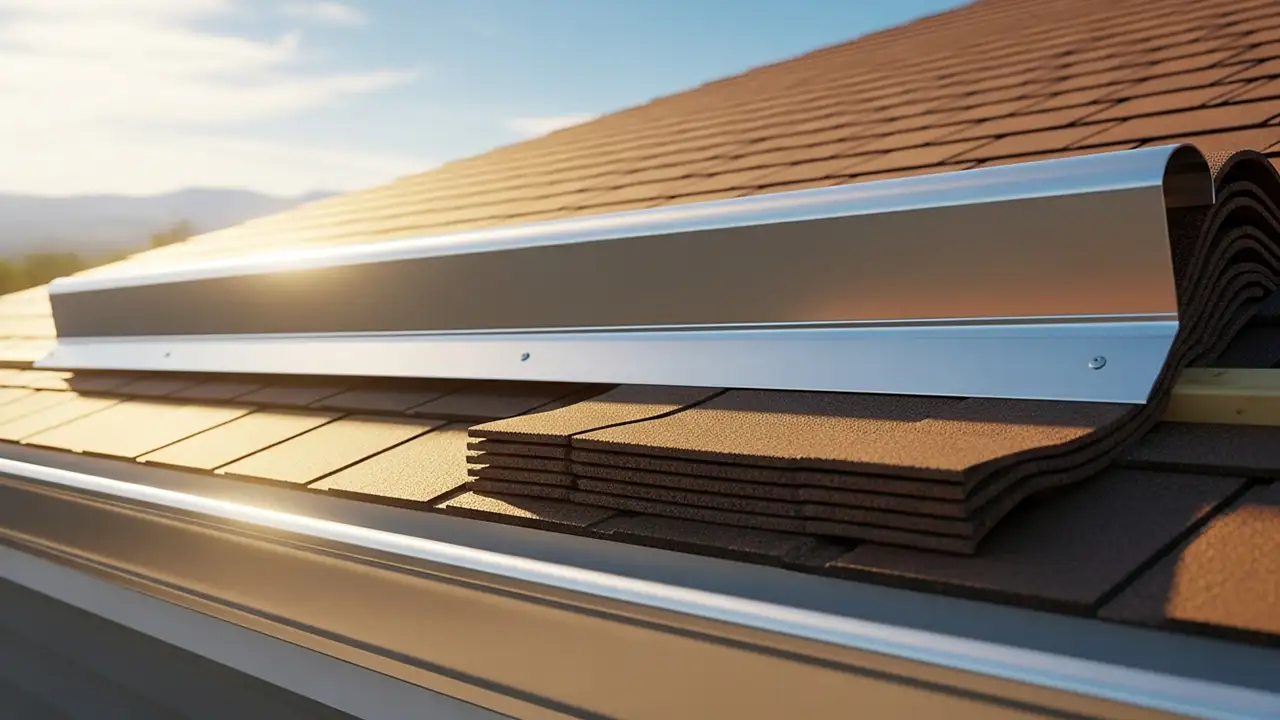
Drip Edge and Starter Strip: The Two Details That Prevent “Edge Lift” in High Winds

Written By: GreenTek Roofing & Solar | 11 Min Read

Your roof’s edges are its first line of defense against high winds. In Thonotosassa, FL, we see how easily strong gusts can lift shingles, leading to serious damage. Many homeowners overlook two small but critical components: the drip edge and the starter strip. These details are the key to preventing “edge lift” and securing your roof edge, ensuring your home stays protected during Florida’s intense storm seasons.
Roof Edge Protection and High Winds
Protecting your roof edge is essential for wind resistance. High winds target the edges first, looking for weak spots and causing “edge lift,” which can lead to major storm damage. Without strong edge protection, your whole roofing system is at risk. As a GAF Master Elite Certified Contractor, we at GreenTek Roofing & Sola know how to reinforce these vulnerable areas.
What Makes Roof Edges Vulnerable
Edges of the roof are particularly susceptible to damage due to several factors, including material deficiencies and improper installation. For instance, the absence of a drip edge can lead to moisture intrusion and granule loss from shingles. Additionally, low-quality flashing and inadequate sealing at roof penetrations can exacerbate vulnerabilities during strong winds. Furthermore, the design of rake edges without sufficient starter strips may create weak points, allowing for water to infiltrate and accelerate wear, jeopardizing the roof’s overall integrity. Choices made during installation significantly influence this aspect.
Effects of High Winds on Roof Edges
High winds create a significant threat to roof edges, especially for shingle roofs. The intense pressure can cause shingles to lift or even tear away, leading to potential water intrusion and long-term moisture damage. Furthermore, homes in areas prone to tropical storms often require enhanced edge detailing to withstand such forces. Proper installation of drip edge and starter strip systems acts as a first line of defense, ensuring wind resistance and maintaining roofing integrity. Over time, failure to address these risks can result in costly repairs or a full roof replacement.
Importance of Edge Detailing
Proper edge detailing is vital in high-wind areas like Florida. Installing both a drip edge and starter strip fully seals your roof—drip edges direct water away, and starter strips boost wind resistance. Skipping these steps can lead to:
- Voided manufacturer wind warranties
- Failure to meet wind ratings
- Preventable home damage
Choose an experienced roofing contractor. As a GAF 2-Star President’s Club Member and TAMKO Diamond Pro Certified Contractor, we build roofs with every detail optimized for peak performance.
Drip Edge—Function and Benefits
Integral to a robust roofing system, the drip edge serves as a critical element that redirects water away from the roof’s edges and prevents moisture intrusion. This flashing not only fortifies the roof against severe weather but also enhances the aesthetic appeal of shingle roofs by providing a clean finish. Proper installation of drip edge ensures maximum wind resistance, safeguarding the integrity of the first course of shingles. By mitigating edge lift during high winds, this component ultimately prolongs the life of the roofing system and upholds manufacturer warranties.
What Is a Drip Edge?
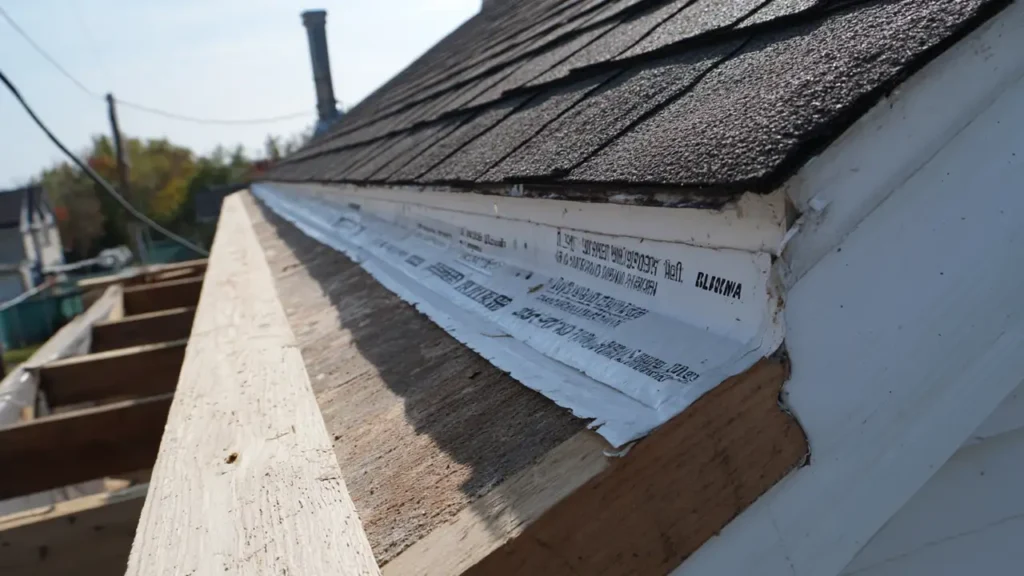
A drip edge is a metal flashing installed at the roof’s edge, directing water away from the fascia and protecting the underlying structure. It prevents moisture damage by ensuring proper drainage, thus enhancing the longevity of roofing materials and minimizing the risk of edge lift during high winds.
How Drip Edge Stops Water and Wind Damage
Properly installed drip edge acts as a crucial barrier against water intrusion and wind damage. By directing water away from the edges of the roof, it minimizes the risk of moisture accumulation on the roof deck and prevents costly damage. The design and placement of drip edge flashing ensure that rainwater is channeled into the gutters, rather than beneath shingles. With strong winds, this edge detail secures shingles, enhancing wind resistance and contributing to the overall durability of the roofing system, thus protecting the home effectively during harsh weather conditions.
Common Drip Edge Materials
A variety of materials are used for drip edges, each offering distinct advantages. Aluminum and galvanized steel are popular choices due to their durability and resistance to rust, ensuring long-lasting protection. Copper presents a more elegant option, providing aesthetic appeal alongside functionality, though it often comes at a higher cost. Vinyl drip edges are lightweight and resistant to moisture, making them suitable for many climates. The material chosen should align with local building codes and the specific roofing requirements to maximize effectiveness against water intrusion and high winds.
Starter Strip—Purpose and Performance
Ensuring a robust roof structure requires understanding the pivotal role of a starter strip. Serving as the foundational layer for the first course of shingles, this component enhances roof performance through a combination of durability and alignment. Proper installation mitigates potential issues like water intrusion and granule loss, providing a seamless transition along the edges. By promoting wind resistance, the starter strip acts as a shield against the elements, effectively reinforcing the roof’s integrity during high winds and safeguarding against storm damage.
What Is a Starter Strip?
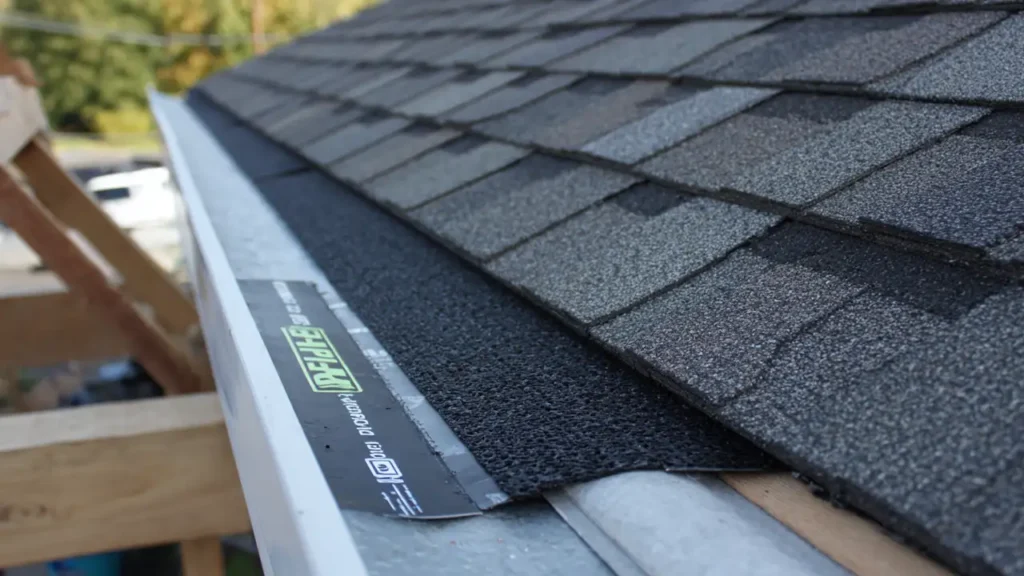
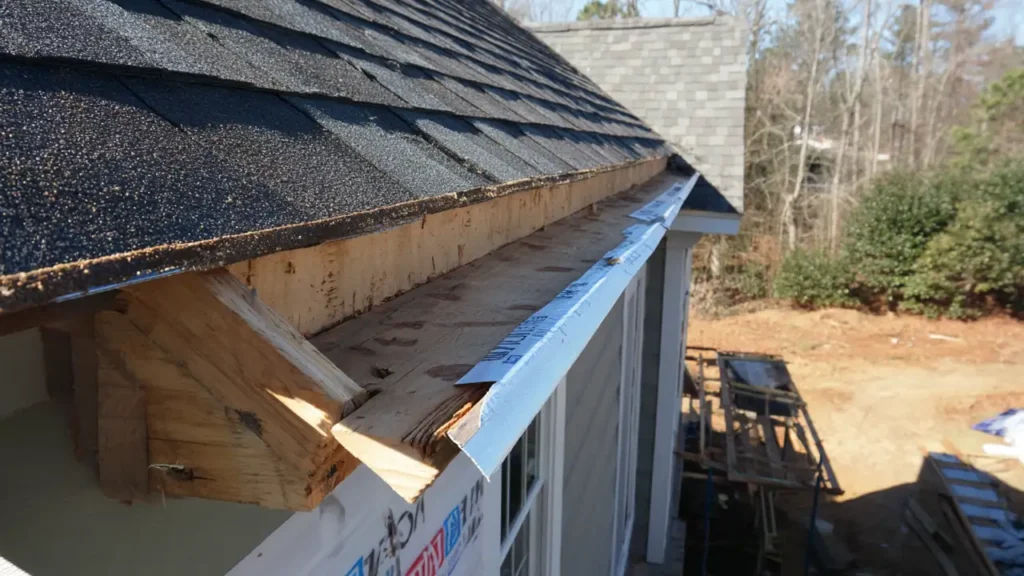
A starter strip is a crucial roofing component installed at the eave’s edge. It acts as a protective layer, preventing water infiltration and enhancing the effectiveness of shingles above. Properly installed, it helps ensure a secure roof against high winds and edge lift risks.
How Starter Strips Prevent Edge Lift
Edge lift occurs when wind catches the leading edge of shingles and pries them up. Starter strips prevent this by using an adhesive seal that locks edges down, blocking wind. Improper starter strip installation is a major cause of roof failure during storms:
- If the adhesive isn’t placed correctly, it won’t bond with the shingle above.
- Omitting starter strips from rake edges leaves sides exposed.
Proper installation ensures a continuous, strong seal for maximum wind resistance and prevents the chain reaction of damage caused by edge lift.
Types of Starter Strip Materials
Various materials are available for starter strips, each providing unique benefits tailored to different roofing scenarios. Asphalt starter strips are commonly used due to their compatibility with asphalt shingles and excellent wind resistance. For metal roofing, metal starter strips offer durability and a secure fit, helping to prevent water intrusion. Additionally, self-adhesive starter strips streamline installation and enhance adhesion, ensuring a seamless connection to the first course of shingles. Selecting the right starter strip material can significantly impact the home’s exposure to wind damage and overall roof longevity.
Drip Edge vs. Starter Strip—Key Differences
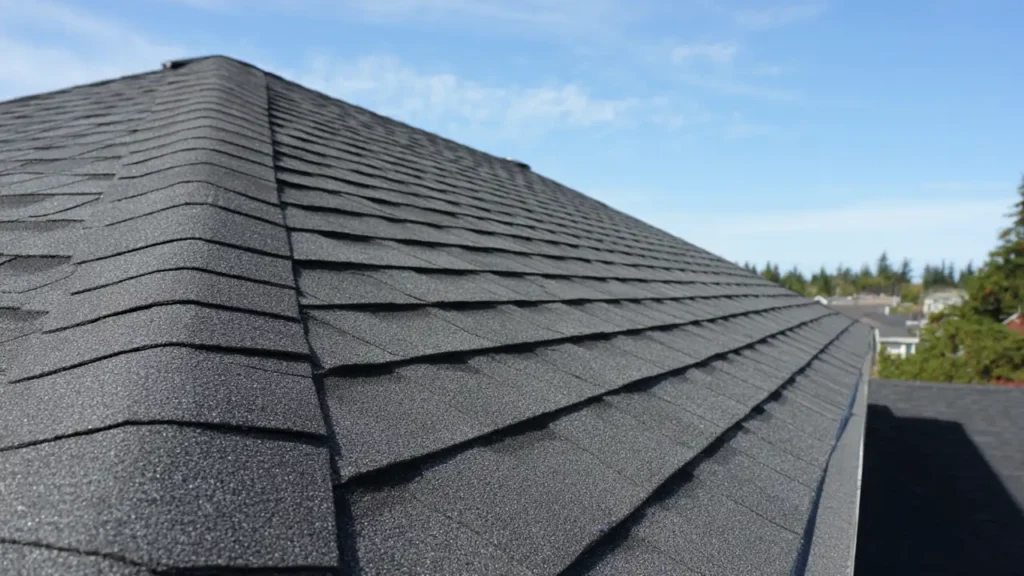
While they both protect the edges of your roof, the drip edge and starter strip have very different jobs. The drip edge is all about water management—it’s a metal flashing that directs rain away from your home’s structure. The starter strip is about wind resistance—it’s an adhesive shingle that seals the edge to prevent lift.
Think of them as a team. One handles water, the other handles wind. For complete roof protection against edge lift, you need both working together. Let’s break down their distinct roles and see why having both is critical.
Role of Each Component
Understanding the function of both drip edge and starter strip components is essential for optimal roof edge protection. The drip edge acts as a barrier, channeling water away from vulnerable areas and reducing the risk of moisture intrusion. Meanwhile, the starter strip provides a secure base for the first course of shingles, ensuring proper alignment and stability against strong winds. Together, these elements create a resilient system that not only enhances the aesthetic appeal of the roof but also ensures comprehensive protection against wind damage and water intrusion.
How They Work Together for Edge Security
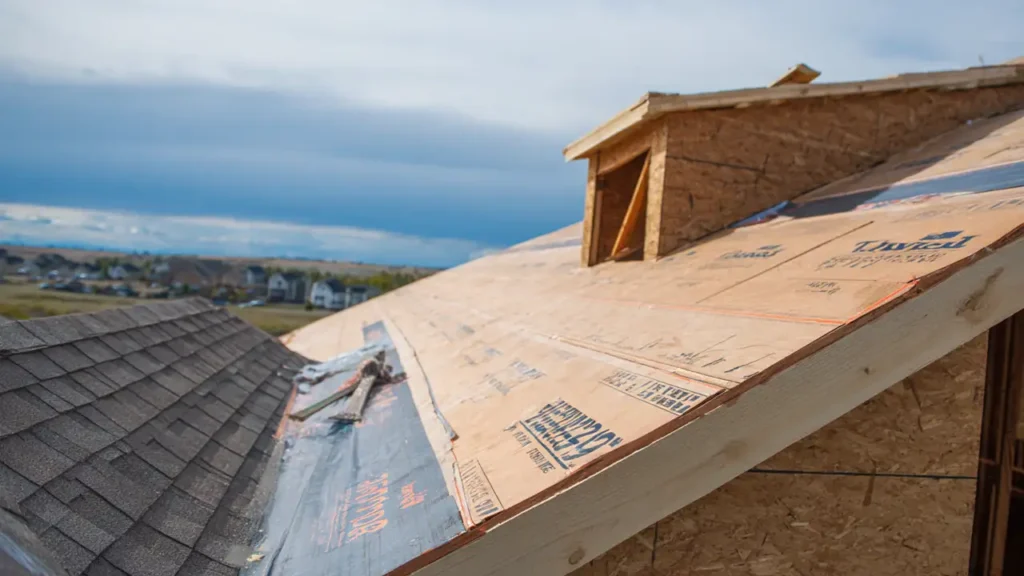
The drip edge and starter strip form a layered system for maximum edge protection. First, install the drip edge on the roof deck, then lay the underlayment over it at the eaves. Place the starter strip on top of the underlayment, right at the edge. This setup creates a strong barrier:
- The drip edge provides a stable base and initial water defense.
- The starter strip seals the edge against wind.
The starter strip’s adhesive secures the first row of shingles, while the drip edge channels water away. Together, they prevent wind and water damage—making both essential, especially in high-wind areas.
Why Both Are Needed for High-Wind Roofs
Strong winds can easily disrupt the integrity of a roof, making the combination of a drip edge and a starter strip essential. Acting as the first line of defense, the drip edge flashing helps direct water away from vulnerable areas, while the starter strip secures the first course of shingles. This synergy enhances wind resistance and minimizes the risk of water intrusion that can occur during storms, ultimately protecting the roof deck and ensuring manufacturer warranties remain intact. With both in place, homeowners can enjoy greater peace of mind.
Identifying Edge Lift Risk
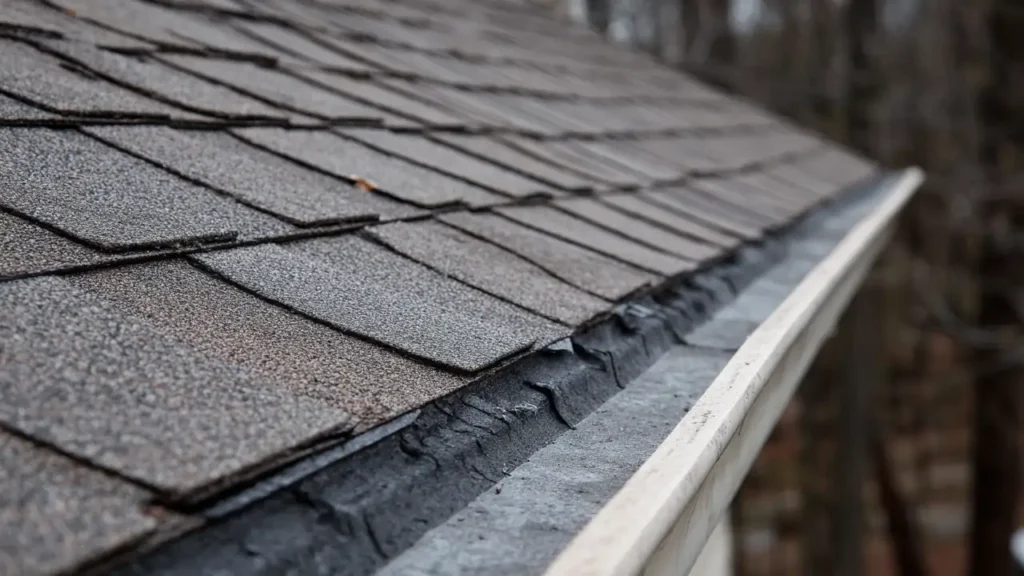
Signs of edge lift after storms can be subtle yet significant, often appearing as curling shingles or gaps at the roof’s edges. Conducting a comprehensive evaluation post-storm is crucial for property owners; missing edge protection like drip edge or starter strip can lead to severe wind damage. Regular inspections provide insight into roofing integrity and potential vulnerabilities. Replacing any compromised materials in a timely manner not only enhances wind resistance but also aligns with local codes, ensuring optimal performance and extending the lifespan of your roof system.
Signs of Edge Lift After Storms
After a major windstorm, walk around your property and inspect your roof’s edges from the ground. You don’t need to climb up—just look for shingles along the eaves and rakes that appear curled, lifted, or out of place. Other warning signs include:
- Visible granule loss at the bottom edge of shingles, where they may have flapped in the wind.
- Stains or water tracks on your fascia board, indicating water is getting behind the drip edge.
If you notice these issues, your roof’s edge protection has likely failed or wasn’t installed properly. This leaves your roof deck vulnerable to further storm damage.
Checking for Missing Edge Protection
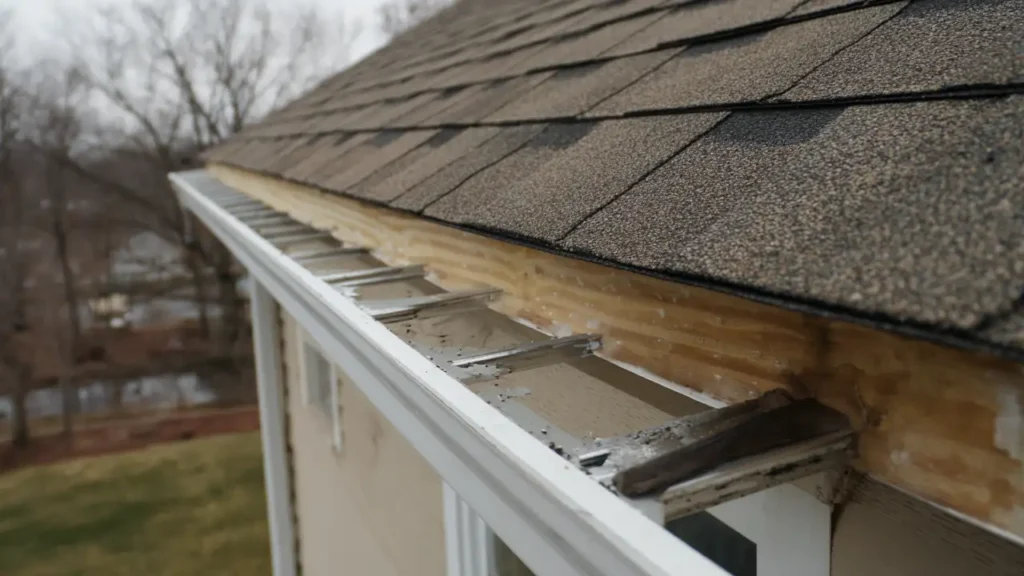
For homeowners, spotting a missing drip edge is simple: look along the roof edge behind the gutter. You should see thin metal flashing under the shingles. If you see only plywood or shingles with nothing beneath them, there’s likely no drip edge. Identifying a missing starter strip is harder without climbing on the roof, but there are signs:
- Shingles lift easily at the edge.
- Repeated shingle blow-offs after storms.
The safest way to confirm is with a professional roof inspection. Our team can thoroughly evaluate and identify any missing components.
When to Repair or Replace Edge Details
Monitoring the condition of edge details is crucial for maintaining a secure roofing system. Repair becomes necessary when signs of water intrusion or visible damage—like granule loss or cracking—are detected. Replacement is advised if the drip edge has deteriorated beyond repair or if it fails to meet local code requirements. Regular inspections following storms or strong winds can help property owners catch issues early, ensuring the roof’s first line of defense remains intact and effective against potential wind damage throughout its lifespan.
Ready to Upgrade?
In summary, understanding drip edges and starter strips is crucial for roof edge protection, especially in high-wind areas like Thonotosassa, FL. These components prevent edge lift and water damage, keeping your roof secure during storms. As a family-owned company, we at GreenTek Roofing & Solar deliver reliable solutions backed by GAF Master Elite and TAMKO Diamond Pro certifications. Prioritizing these details boosts your roof’s durability and safeguards your home. Ready to upgrade? Request a quote from us today!
Frequently Asked Questions
How can I tell if my roof is at risk for edge lift?
You can check for risk by looking for lifted or curled shingles along the roof edge. Also, see if a metal drip edge is visible behind your gutter. If shingles lift easily or the metal flashing is missing, your roof is vulnerable to edge lift.
Is a drip edge necessary on a roof?
Yes, a drip edge is necessary. It is required by most building codes and protects the roof edge from water damage by directing runoff away from your fascia and underlayment. Without it, you risk rot and costly repairs, especially after a roof replacement.
Read our blog: Algae and Dark Streaks in Central Florida: Safe Roof-Cleaning Options for Thonotosassa, FL

Step Into
The Future of Roofing
